Last updated November 21, 2026
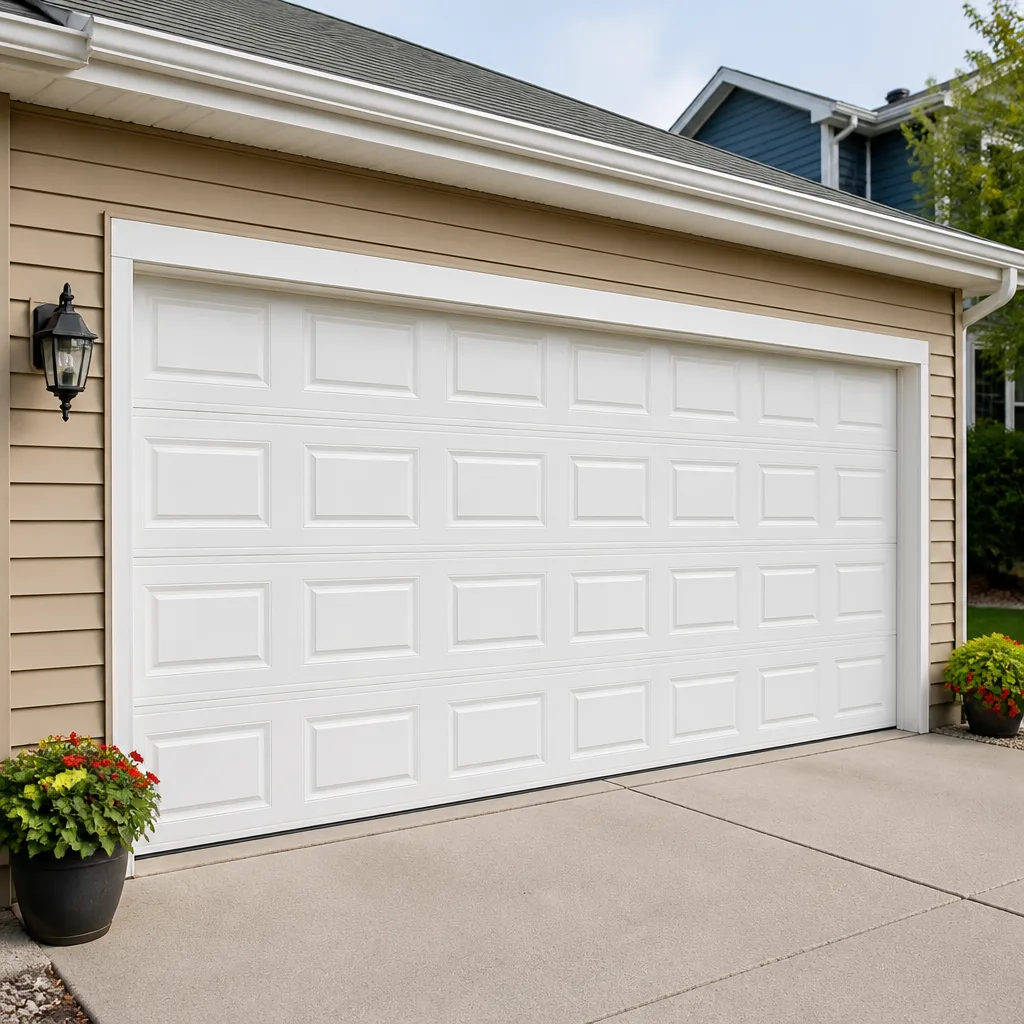 Raised-panel steel
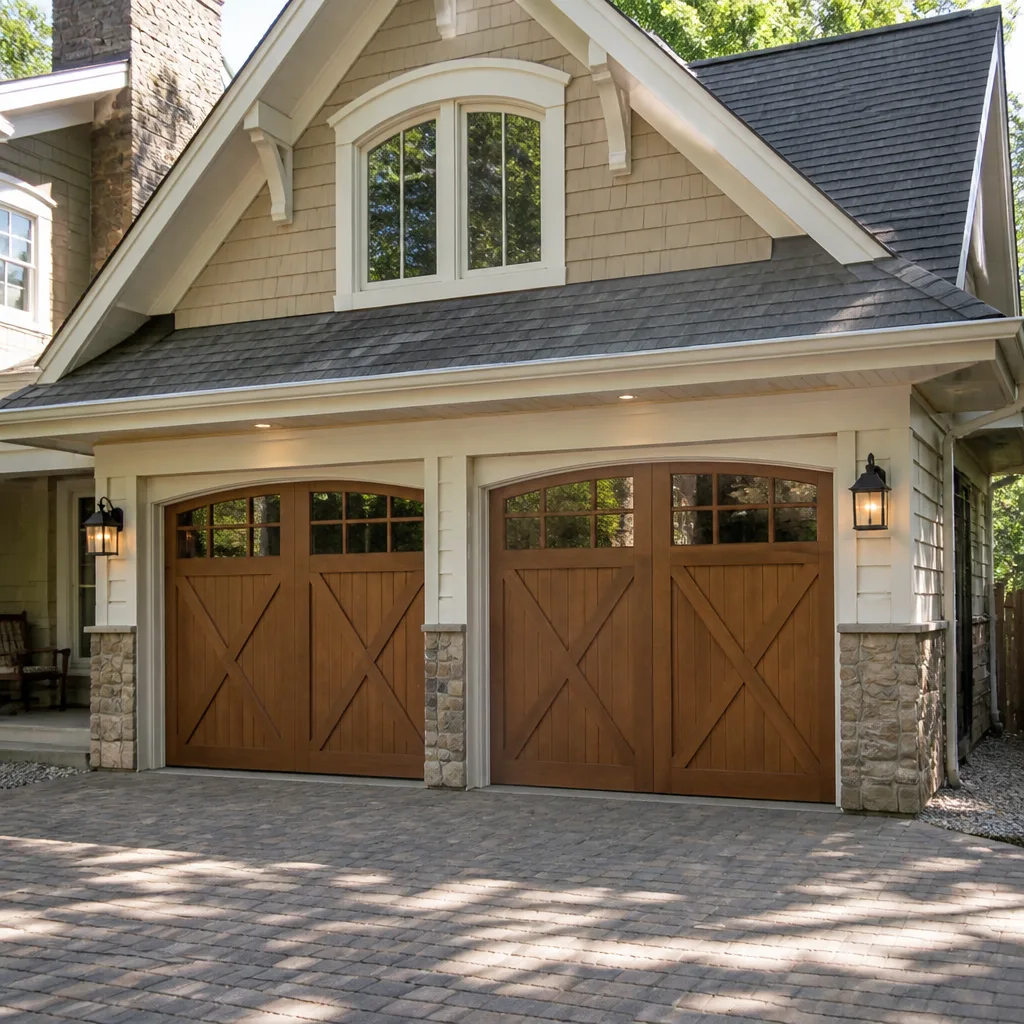 Carriage house
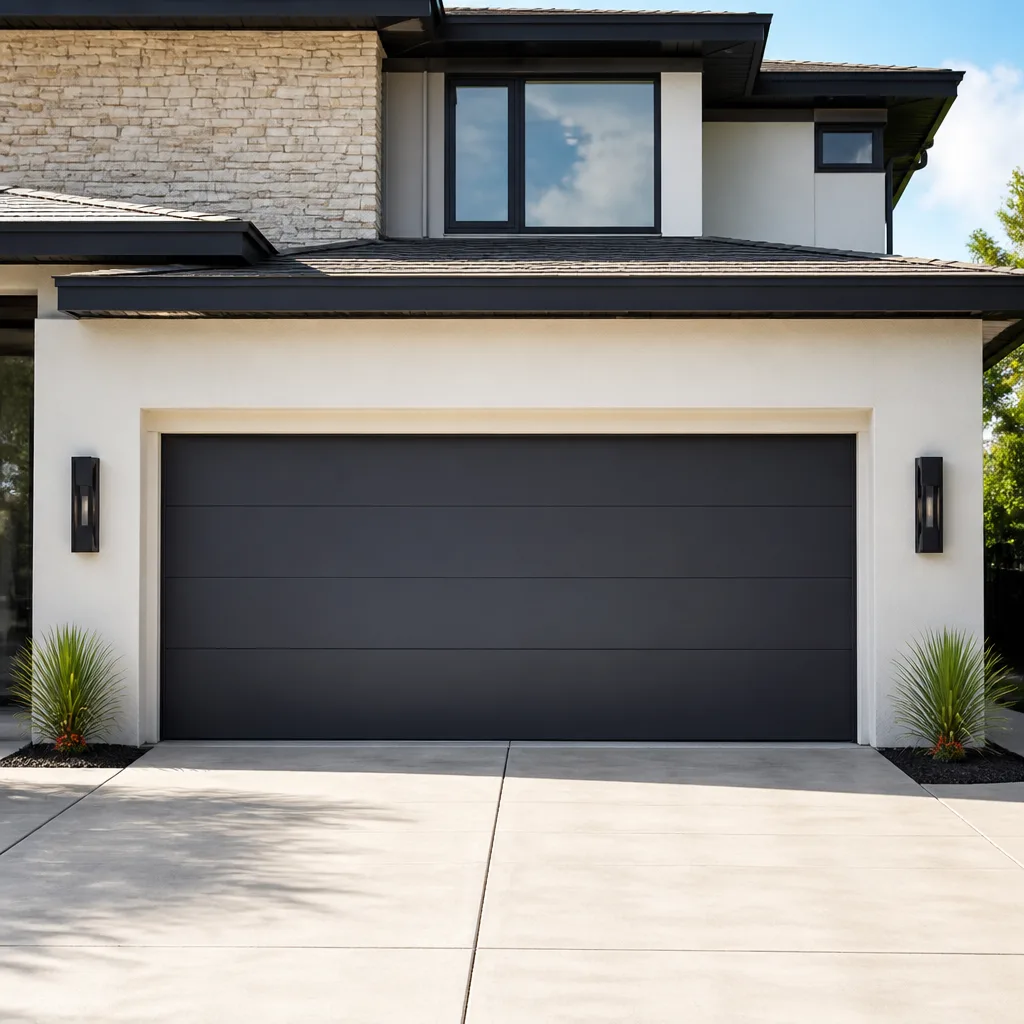 Modern flush
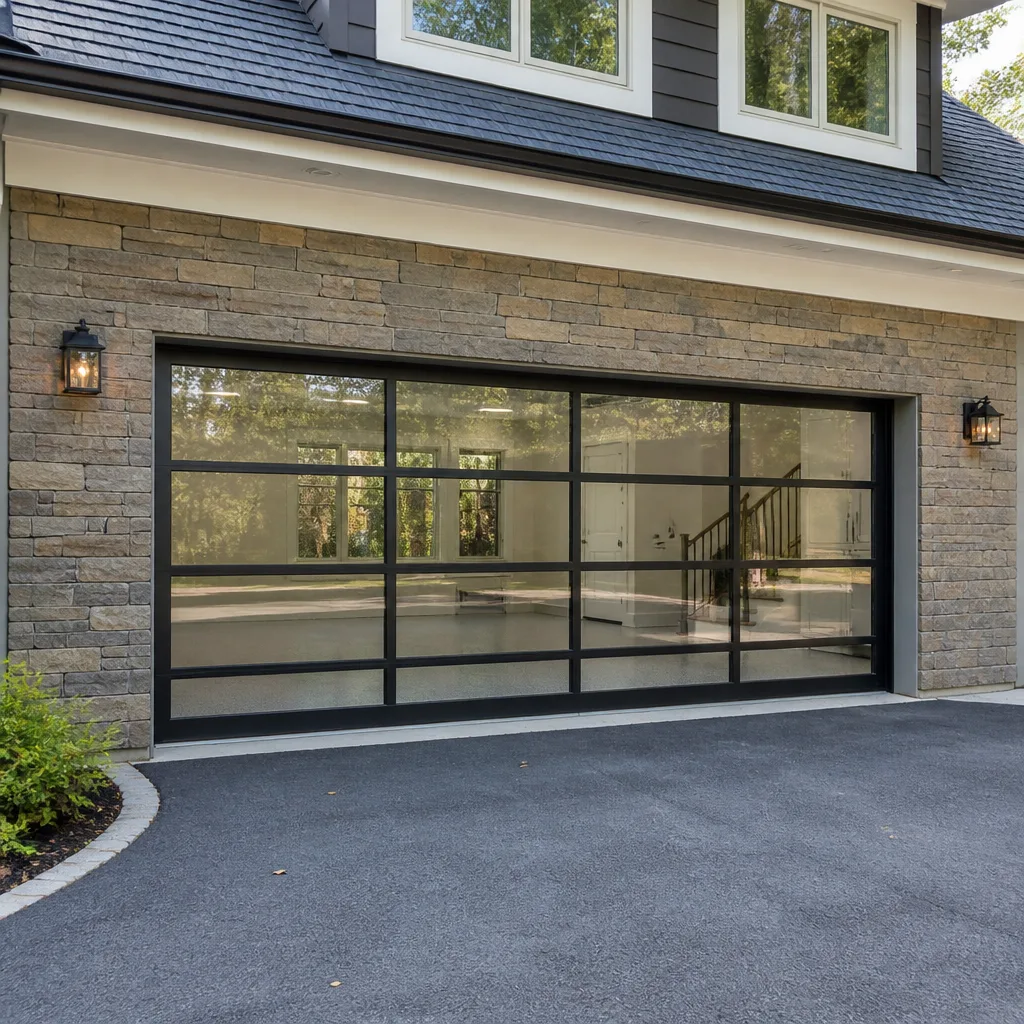 Full-view glass
 LiftMaster openers
 Chamberlain openers
Full 25-point door and opener safety check with every visit - springs, cables, rollers, tracks, and your LiftMaster or Chamberlain opener included
You get a price before we start. It does not change when the pro arrives.
Get your free estimateGarage Door Warning Signs: A Galveston Homeowner’s Reference Guide
Almost every homeowner waits too long. A door that groans a little louder, opens a little slower, or shudders at the halfway point gets filed under “annoying but working” and stays there until something breaks. That mental filing cabinet is where small, cheap fixes turn into emergency calls. The trick to reading garage door warning signs isn’t memorizing a long list of symptoms. It’s understanding which signs are the door telling you “keep an eye on this” and which are the door telling you “stop using me right now.” This guide breaks down both, with a close look at how Galveston‘s climate influences which parts fail first and how fast.
Quick Answer
Garage door warning signs fall into two buckets: watch-and-wait symptoms like minor squeaks, slow movement, and uneven paint wear; and stop-now symptoms like a snapped spring, a cable with broken strands, a door hanging crooked, or an opener that reverses without instruction. In Galveston’s humid, salt-exposed environment, metal parts corrode and stiffen faster than in drier inland climates, so the “watch” phase is shorter and the transition to “stop” happens sooner. When in doubt, stop using the door and call (866) 412-5303 for a free estimate.
Styles & brands we work with
- Raised-panel steel
- Carriage house
- Modern flush
- Full-view glass
- LiftMaster openers
- Chamberlain openers
Table of Contents
- Why Garage Door Warning Signs Look Different in Galveston
- Reading the Early Signs of Spring Failure
- Cable Fraying: The Coastal Wear Pattern
- When “Loud” Means Something Specific
- Track Misalignment vs. Foundation Movement
- Opener Symptoms That Aren’t Opener Problems
- Watch-and-Wait vs. Stop-Now: The Decision Table
- What Monthly Checks Catch Early
Why Garage Door Warning Signs Look Different in Galveston
A garage door in a dry inland climate and a garage door in Galveston don’t age on the same schedule. Humidity and airborne salt here shorten the useful life of any exposed steel component. That means springs, cables, hinges, and rollers all reach their “warning” phase sooner than a homeowner might expect based on general advice found online. Warning signs that get a “you have another year” response in a drier market often warrant action in six months or less here.
The mechanism is straightforward. Salt and moisture work together on steel surfaces, and the damage compounds rather than staying uniform. A spring or cable doesn’t just get a light coat of surface rust. It develops pitting in specific spots, and those pit sites become stress concentrators. When the spring coil flexes, those concentrated points take more load than the rest of the wire, and that’s where cracks start. Galveston’s year-round humidity and warm temperatures mean the corrosion process runs continuously rather than pausing in a cold season.
What this means in practice:
- Any visible pitting on a torsion spring wire, not just orange staining, is a genuine warning sign in Galveston.
- Lubrication schedules need to be tighter than generic advice suggests, because salt residue doesn’t just dry off and wait for spring.
- Cables fail at the pulleys and drums before anywhere else, because that’s where the wire bends and the salt first settles.
- Steel hardware that looks “fine” from six feet away can be actively degrading at the coil gaps and drum collars where fingers rarely go.
Our technicians have up to 11 years of experience working in this environment and have watched plenty of doors go from “squeaking” to “slamming” faster than the homeowner expected. The pattern is consistent enough that we now frame every homeowner conversation about warning signs around one question: is this a symptom the door can manage for now, or a symptom that means the door should stop moving today? Everything else follows from that.
Reading the Early Signs of Spring Failure
The torsion spring is the single most consequential component on any garage door. It’s the counterweight that makes a hundred-plus pounds of door feel light enough to lift by hand. When a spring fails, the door becomes dangerously heavy and can drop suddenly. Recognizing spring deterioration early is the most valuable thing this guide can help a Galveston homeowner do.
The classic warning signs are commonly listed everywhere: visible rust, a door that opens an inch and stops, a loud bang from the garage. Those signs matter, but they arrive late. Here’s what to look for before the failure:
- Pitting pattern, not rust color. A light orange film on the spring is expected. Small dark craters or flakes lifted from the wire surface, especially on the underside of a coil where moisture collects, indicate the steel is structurally compromised. That pitting is the actual failure point.
- Coil gap change. A healthy torsion spring’s coils sit with even, consistent gaps. If two or three coils have started to touch while the rest sit evenly spaced, the spring has lost tension or started to bind, and that’s a sign of internal stress that will likely cause a break.
- Doors that thump or lurch at the very start of travel. That thump means the spring isn’t releasing its stored energy evenly. It’s the door telling you the counterbalance is off, and often the spring is the reason.
- Manual lift test results drifting heavier. If you can lift the door with one hand and it stays up at the halfway point, the spring is doing its job. If it takes two hands and the door falls when released, the spring is losing strength and about to finish the job.
A single spring priced in the typical local range of roughly $180 to $340 is a reasonable comparison point. Replacing both springs at once when one has failed is standard practice, so a matched pair usually runs about twice the single-spring figure. The written estimate is always the price. For a closer look at how we handle this job, see our garage door spring repair page.
Springs are the one garage door component no homeowner should touch. The stored energy in a wound torsion spring is enough to cause serious injury, and the tools and technique for safely de-tensioning one aren’t things anyone can improvise. If you’ve identified any of the signs above, treat the door as off-limits manually and call for a professional inspection.
Cable Fraying: The Coastal Wear Pattern
Cables on a garage door do the brute work of holding the door on the track when the spring lifts it. They run from a bracket at the bottom of each door panel, up over a drum at the top of each side, and connect to the shaft that the spring applies torque to. In Galveston, cables age differently than they do in dry climates, and the failure pattern shows it.
Normal wear in a dry climate is straightforward. The strands wear thin evenly where the cable bends over the drum and around the pulleys, and eventually the wire gives way. That kind of wear takes years, and it can often be caught by routine inspection before failure.
In a humid, salt-exposed environment, the wear pattern is different in three ways:
- Localized pitting at the drum. Salt settles into the wire rope’s woven strands where the cable crosses the drum and pulley, and the pitting is concentrated there rather than spread along the whole cable.
- Broken strands before visible thinning. Corrosion weakens individual strands inside the rope first, so you may see small broken “hairs” sticking out of the cable before the overall cable looks dangerously thin.
- Seized pulleys. Pulleys that have stopped spinning freely (a salt-lubricant failure, not a cable failure) put extra load on the cable and force it to bend across a stuck wheel instead of rolling over it, which accelerates breakage at that specific point.
What to look for when inspecting: run your eyes along each cable from the bottom bracket to the drum. A cable in good health is smooth and consistently diametered. A cable that’s about to fail often shows small fuzzy strands or a kink near the drum, or a bulge where the rope has stretched. If you see either, stop operating the door. A cable that snaps under load can whip and cause serious injury, so this is a maintenance item to check monthly and a hard stop if you see anything off.
When “Loud” Means Something Specific
“It’s just loud, but it works” is the sentence we hear most often that turns out to be wrong. Noise is not a cosmetic issue on a garage door. A well-maintained door with serviceable hardware is surprisingly quiet. The noise it’s making is information, and in a Galveston climate, that information is usually about lubrication loss and starting-to-seize hardware.
Here’s what each common noise usually means:
- Squealing at the end of travel: metal-on-metal contact where lubricant has worn away, often at the rollers or hinges.
- Grinding: a roller or hinge has seized and is scraping the track rather than rolling through it.
- Rattling that started recently: loose bolts or a track with a shifted section, sometimes accelerated by the constant high humidity causing fasteners to loosen faster than in dry climates.
- Popping that happens once per cycle: a spring coil binding and releasing, which is a spring problem, not a general noise problem.
- Banging from the opener area: the opener is fighting resistance from door hardware that needs attention.
In Galveston, the window between “loud but functional” and “seized or failed” tends to be shorter than in a drier climate. Lubricant that would last months in dry conditions can be compromised by salt residue within weeks, so hardware that seems only slightly noisy can go to fully seized if ignored for a season. The fix for most of it is a proper service with the correct lubricant on hinges, rollers, and the spring coils, but only after confirming the noise isn’t a symptom of a failing part.
If the noise is coming from the opener rather than the door, that’s a separate category, and our garage door opener repair page covers it in detail.
Track Misalignment vs. Foundation Movement
A door that jumps or grinds through one section of the track is a door with a track problem. But “track problem” covers two very different things, and telling them apart changes both the fix and the urgency.
Normal settling: Over time, the garage slab and the framing around the door settle slightly. This can create a small shift in track alignment, most often visible as a track that’s slightly off its brackets, a door that binds through one section of travel, or a gap that’s a quarter-inch off at the top. The fix is adjusting the brackets and re-plumbing the track. It’s a routine service call.
Foundation movement: When a garage slab is moving (a real problem in some Galveston soil conditions, and one that gets worse during wet periods), the track problem comes with other signs. You may see a crack running the width of the garage floor, a door that closes unevenly on the horizontal (one side touching first), or a garage frame where the header is no longer level. Once you identify foundation movement as the source, adjusting the track is chasing the symptom, not fixing the cause. The track will just re-misalign again, and the door hardware will wear faster because it’s being driven along a moving path.
Telling them apart:
- Look at the door’s bottom gap when closed. Even gap on both sides means alignment is fine and the noise is elsewhere.
- Check whether the door closes on one side before the other. If it does, the track isn’t the only thing moving.
- Lay a level on the garage floor near the door. If the floor itself is out of level by more than a quarter-inch over the width of the door, the slab has moved.
- Inspect the concrete for cracks wider than a hairline running across the garage floor or through the wall joints.
If you see signs of slab movement, the right call is a garage door professional who can tell you what’s adjustable and what isn’t. Track adjustment is a normal service. Foundation work needs a different trade, and we’ll tell you clearly when that’s the case rather than just re-aligning the track and taking your money.
Opener Symptoms That Aren’t Opener Problems
Here’s a diagnosis most homeowners miss: in a humid, salt-heavy climate, your opener often takes the blame for a door that’s gotten heavier to move. The opener is the messenger, not the cause. And the difference matters because replacing an opener that’s working fine is an expensive way to leave the original problem in place.
Behavior that looks like a failing opener but usually isn’t:
- Door reverses unexpectedly while closing: the safety sensors see an obstruction, but the “obstruction” is often the door coming down unevenly because of a cable or track issue.
- Opener strains or runs slower than it used to: the opener is working harder because door hardware has stiffened and it’s taking more torque to move the door.
- Opener stops partway up: the force limit is triggering because the door is heavier than it was when the opener was tuned.
- Constant force-limit errors: the opener’s force setting is correct, but the door has changed, so the force required to move it has crept up past the limit.
Signs that really do point at the opener:
- Remote or wall control stopped working but the door operates fine by hand: typically a radio board or logic board issue.
- Door runs on one control but not another: a control-side or signal issue, common on smart-home-enabled LiftMaster, Chamberlain, or Genie systems.
- Opener makes noise but the door doesn’t move: often a broken drive gear or stripped sprocket, especially on legacy Craftsman and Genie units.
For most Galveston homes, the right first move when the opener acts up is a full inspection of the door itself. If the door is operating smoothly with normal manual effort, the opener is worth looking at. If the door is heavy or binding, the opener gets a reprieve. We work on the brand you already own, so a LiftMaster myQ system gets the same accurate diagnosis as a Chamberlain or Genie Aladdin Connect setup, and legacy Craftsman systems aren’t an immediate “you’ll need a new one” conversation. If a repair is the right answer, we’ll tell you. If replacement makes more sense for a legacy unit, we’ll tell you that too.
Watch-and-Wait vs. Stop-Now: The Decision Table
The core skill in reading warning signs is knowing which is which. Here’s how we categorize them. These are observed patterns from our work in Galveston, not fixed rules, and a professional inspection always trumps a homeowner’s read. But this table gives you the fast answer.
Watch-and-wait symptoms (schedule service, don’t panic):
- Light squeaks and groans that started recently
- Slight even wear on rollers and hinges
- Minor paint wear on a lower panel
- A remote that’s occasionally slow to respond
- A door that needs the manual force test slightly more often
Schedule service soon (weeks, not months):
- Grinding or popping that started recently
- Visible rust on any hardware moving part
- The door reversing occasionally without an obstruction
- Track visibly out of level by more than a quarter-inch
- A single spring that shows a pitting pattern (not just surface rust)
Stop-now symptoms (don’t run the door, call today):
- A snapped spring (usually accompanied by a loud bang)
- A cable with visible broken strands, a kink, or a bulge
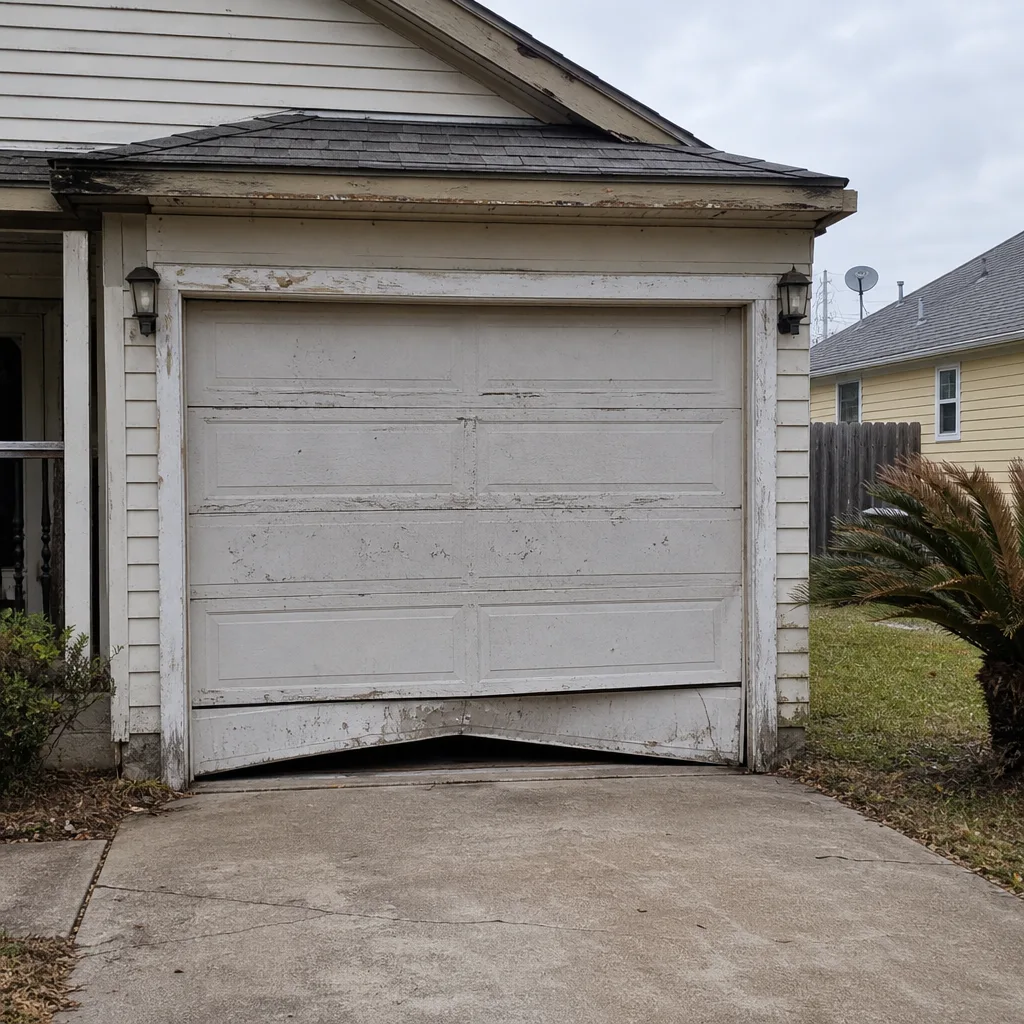
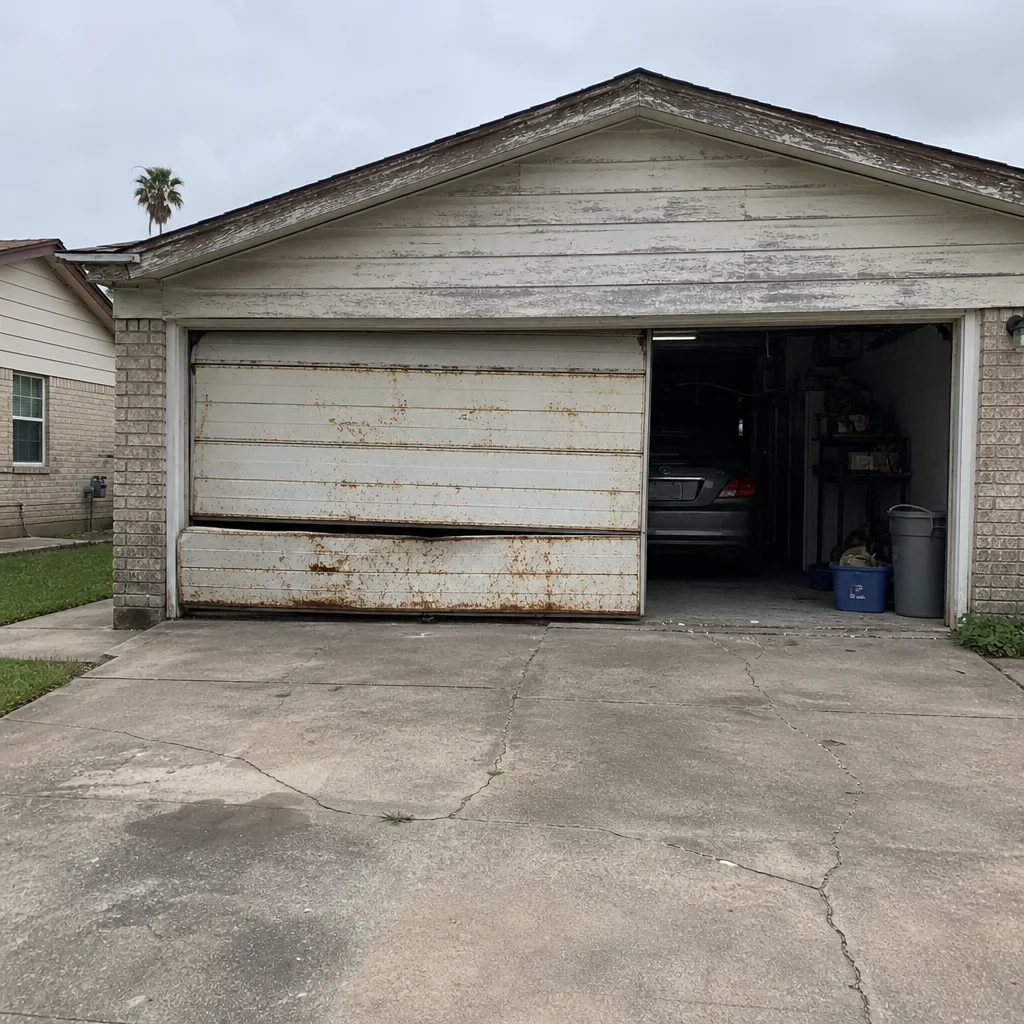
- A door that’s hanging crooked when closed
- An opener that reverses and re-reverses repeatedly on the same cycle
- A door that’s harder than usual to lift manually and falls back down when released
- Any visible gap between the door and the track
The stop-now list is the one that protects your family and your car. A door with a snapped spring can fall with dangerous force if operated. A cable with broken strands can whip. Both are jobs for a trained technician with the right tools.
A typical Galveston repair on a single issue runs roughly $120 to $250 depending on the part. Replacing a spring pair usually runs about $360 to $680, and a full opener replacement is typically in the $350 to $650 range before installation labor. None of those figures are quotes, and none of them supersede the written estimate you get before any work starts. If you suspect a repair is needed, our garage door repair team can inspect and give you a straight answer.
A full door installation, when the door itself is the issue rather than a component, is a different job. It’s measured, ordered, and scheduled, and we’ll be clear about that up front rather than promising same-day work that isn’t real.
What Monthly Checks Catch Early
Most of what this guide describes is catchable with five minutes of inspection a month. Here’s the routine we recommend to homeowners who want to stay ahead of warning signs instead of chasing repairs.
- Manual force test. Disconnect the opener and lift the door by hand to the halfway point. It should balance there and lift with one hand. If it doesn’t, the counterbalance (spring) has changed, and that’s a symptom worth noting.
- Visual cable inspection. Look along each cable from bottom bracket to drum. Any fuzziness, kink, or bulge means stop and call.
- Spring pitting scan. Look at the torsion spring wire, especially the underside of the coil. Rust film is fine; pitting is not.
- Roller and hinge check. Rollers should spin freely, and hinges should be tight. Seized rollers grind instead of rolling.
- Track alignment check. Run the door up and down and watch for any jumping or hesitation at a specific point on the track.
- Reverse test. With the door closing, place a 2×4 flat on the floor in its path. The door should reverse on contact. If not, the safety system needs attention before you use the door again.
- Balance test after each quarter. Every three months, disconnect the opener, open the door halfway, and let go. A balanced door stays in place. A door that drifts down is telling you something.
Any of these that produces a “no” answer on the test is worth a call. To have a professional review the door, our Galveston Garage Door Repair Pros team is a call away. Our technicians have up to 11 years of experience, and we work on Clopay, Amarr, and Wayne Dalton doors along with the major opener brands, so a routine inspection is a single-visit job in most cases.
Common Mistakes to Avoid
- Ignoring noise because “it’s always been a little loud.” Noise that changes or worsens is the earliest signal in a coastal climate. Comparing this month’s sound to last month’s is more useful than comparing to what feels normal.
- Using WD-40 or generic spray on the springs. It attracts dust, dries out, and can leave the surface worse than before. Springs need a specific lubricant. Improper lubrication hides noise temporarily and can accelerate wear.
- Calling an opener failure when the door is the problem. Replacing the opener on top of a binding door wastes money and leaves the real cause in place. Inspect the door before condemning the opener.
- Trying to rewind a torsion spring manually. This is where serious injuries happen. No homeowner should attempt it. Springs store enough force to break bones; replacing them is a call-a-professional job.
- Assuming the door needs a full replacement when it needs a repair. A loud door with rusty hardware is often a service and a spring, not a new door. Ask for a straight diagnosis before assuming the worst.
- Adjusting the track yourself to fix a bind. Track that’s been knocked out of alignment by normal settling is correctable, but only from the right reference point. Improvised track adjustment can make the door bind worse or damage rollers.
- Waiting until the door fails completely. In Galveston’s environment, a small warning sign that gets resolved with a minor service call becomes an emergency when it’s ignored. The cost difference is real, and so is the risk to your car or your family.
See the difference
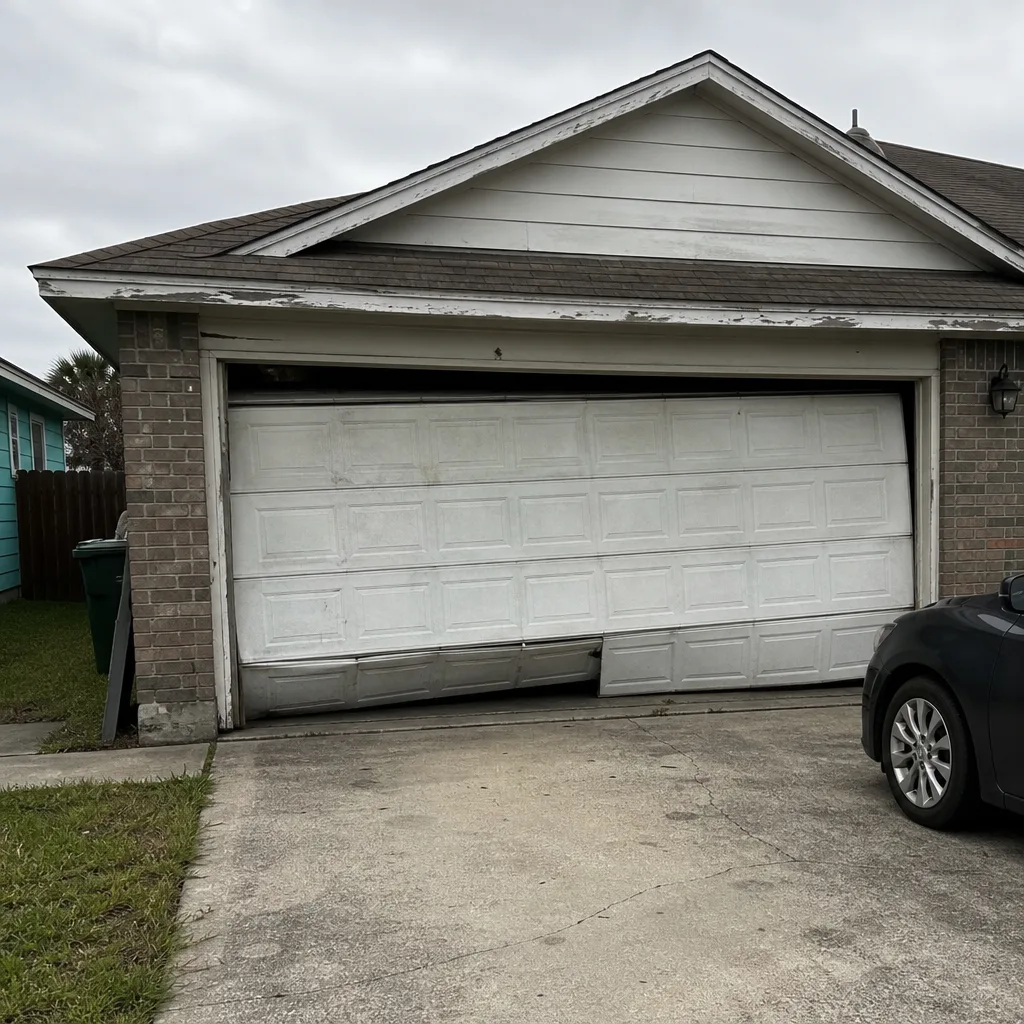 Before
 After
 Before
 After
 Before
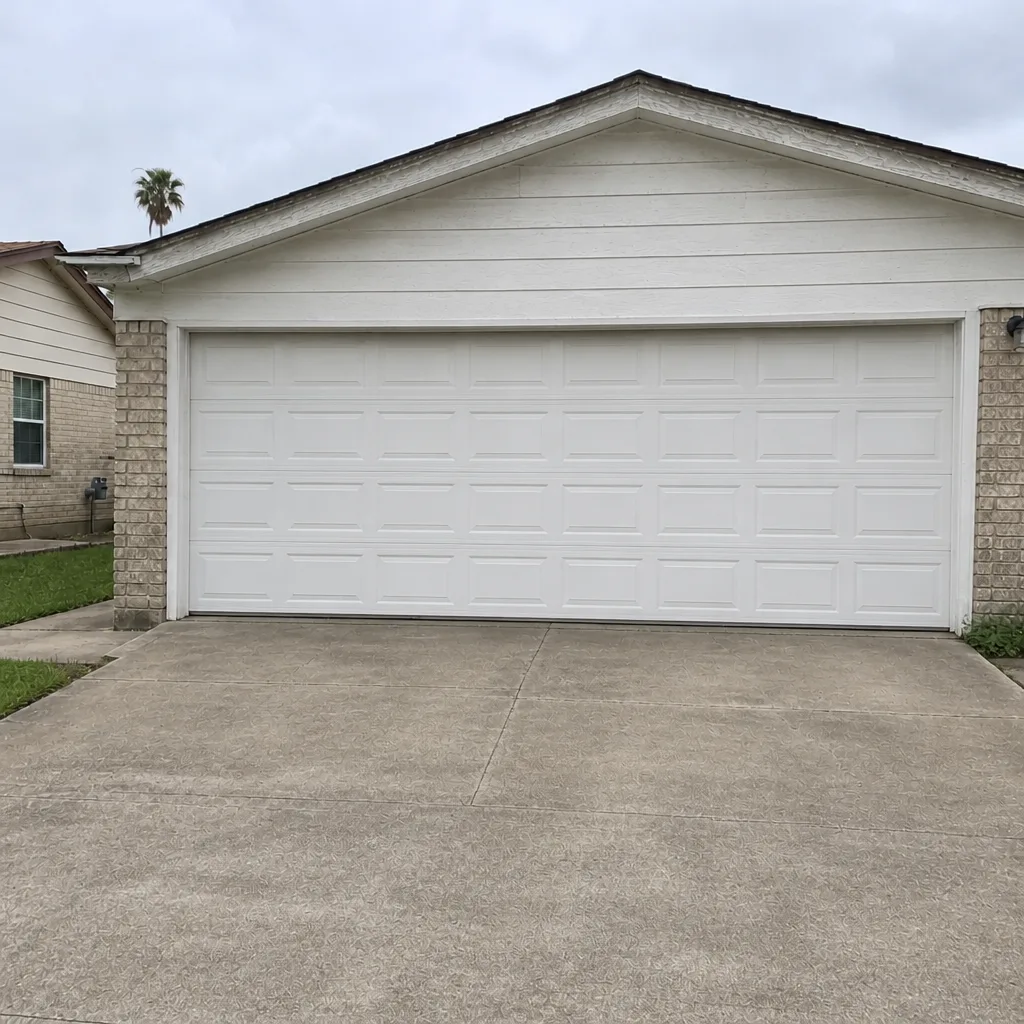 After
When to Call a Professional
Call a professional when the symptom is on the stop-now list, when noise or stiffness has gotten worse rather than staying steady, and when you’re not sure what you’re looking at. A trained eye is what separates a small repair from a bigger one. Our team can identify whether the issue is spring, cable, track, or opener in a single visit, and our technicians have up to 11 years of experience across Clopay, Amarr, and Wayne Dalton doors plus the major opener brands, so there’s no handoff to a second vendor mid-job. If you suspect any of the warning signs above, we can work through it with you. Galveston Garage Door Repair Pros offers free estimates in Galveston, and you can reach us at (866) 412-5303. Same-day service is available for urgent failures. For anything less urgent, a scheduled visit works better and gives us time to do the inspection right.
Frequently Asked Questions
The first real sign is usually a door that feels heavier than it used to when you lift it by hand, or a door that doesn’t stay up at the halfway point. A light rust film alone isn’t the signal. Pitting on the spring wire is. Call (866) 412-5303 for an estimate if you’ve noticed either symptom.
Yes, especially in Galveston’s humid climate, where lubrication loss can progress to hardware seizure faster than in dry climates. A door that’s “just loud” for a year is one that may be running on borrowed time. If the noise has changed recently, stop and have it checked.
Squealing at the end of the door’s travel is usually a roller or hinge that needs lubrication. A popping each cycle is a spring binding. Grinding is a seized roller. Any loud snap or bang from the spring area means stop using the door.
Yes, treat it as one. A door with a broken spring is heavier than it looks and can drop without warning. Don’t operate the door by hand and don’t run the opener. Call (866) 412-5303 for emergency service. Same-day service is available.
A typical repair on a single issue is roughly $120 to $250 depending on the part. A matched pair of springs usually runs around $360 to $680. A full opener replacement is typically $350 to $650 before install labor. Every price is confirmed in a written estimate before any work begins.
No. The written estimate is the price, and we don’t add to it once work starts. If the inspection turns up something different from what was expected, we discuss the change with you before doing anything, not after. Call (866) 412-5303 for an exact quote. Estimates are free.
The Bottom Line
Garage door warning signs are information, not annoyances. The trick to acting on them early is knowing which are the door telling you to keep an eye out and which are the door telling you to stop. In Galveston, the humid, salt-exposed climate shortens the distance between those two states, so early symptoms are worth treating more urgently than general advice suggests. Pitting on the spring wire, broken strands on a cable, and noise that’s changed recently are the signs that deserve a call. Ignoring them is how a small repair becomes an emergency. Our technicians have up to 11 years of experience in this environment and can walk you through what’s happening and what it costs before any work starts.
If you’re not sure what you’re hearing or seeing, call Galveston Garage Door Repair Pros at (866) 412-5303 for a free estimate. We can diagnose the issue, explain what needs fixing now and what can wait, and get your door moving again. One call covers it.
Written by the team at Galveston Garage Door Repair Pros.